What matters most in this guide
- WhatsApp onboarding quality shapes trust just as much as visible features because it determines how quickly a workspace becomes production-ready.
- Embedded Signup matters because it creates a repeatable and supportable connection path instead of one-off setup improvisation.
- Migration confidence depends on clear readiness states, preserved context, and governed rollout communication across teams.
- The best onboarding story is not that setup is effortless, but that progress, failure, and recovery are visible and manageable.
Make onboarding progress clear from the first step
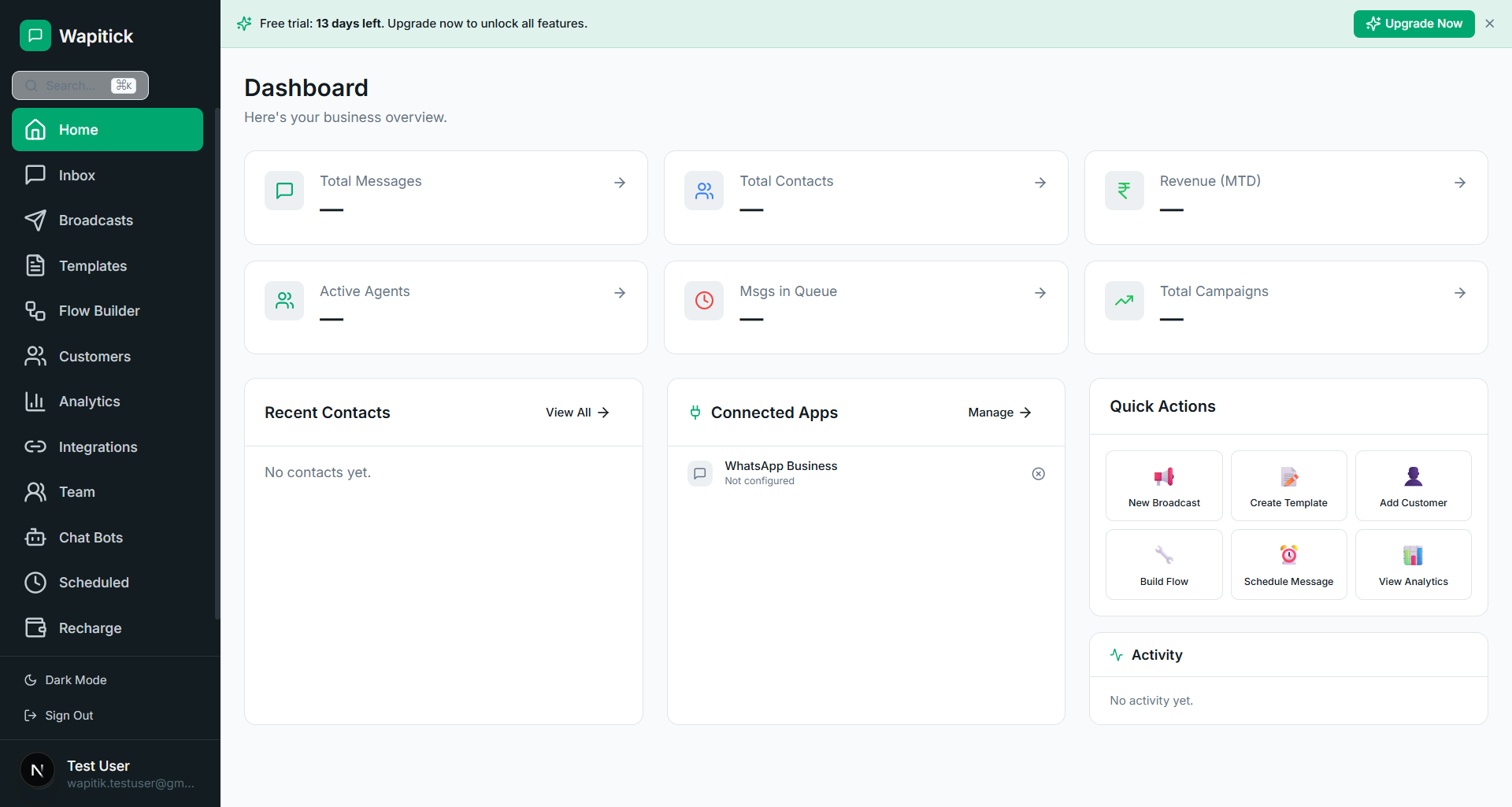
Businesses often evaluate WhatsApp platforms primarily on visible features such as inbox, Flows, templates, or analytics, but adoption frequently depends on something less glamorous: onboarding quality. If setup feels opaque, fragile, or confusing, trust in the product weakens before the first operational workflow is even live. This is why Embedded Signup and migration support matter so much. They are not merely implementation conveniences. They shape whether the business feels in control of its own communication infrastructure from day one.
A good onboarding experience reduces uncertainty at each stage. The user should know what account or business asset is being connected, what permissions are required, which phone number is involved, what verification steps remain, and whether the system is actually ready to send and receive the kinds of messages the business expects. Most setup frustration comes from ambiguity rather than from complexity itself. People can tolerate a multi-step process if each step is clear, recoverable, and visibly tied to a meaningful outcome. They struggle when the system hides state or fails without translating the failure into plain language.
Embedded Signup is especially powerful because it creates a repeatable operational path for connection rather than forcing every customer into a support-heavy manual process. That matters for platform teams, agencies, and internal operators alike. Repeatability improves velocity, but it also improves consistency. If every onboarding follows the same logic, then troubleshooting becomes easier, training becomes easier, and the organization can learn from patterns. A setup issue stops being a mysterious one-off and starts becoming an identifiable stage failure with a known fix or fallback path.
Trust migration and reversibility matter in serious deployments
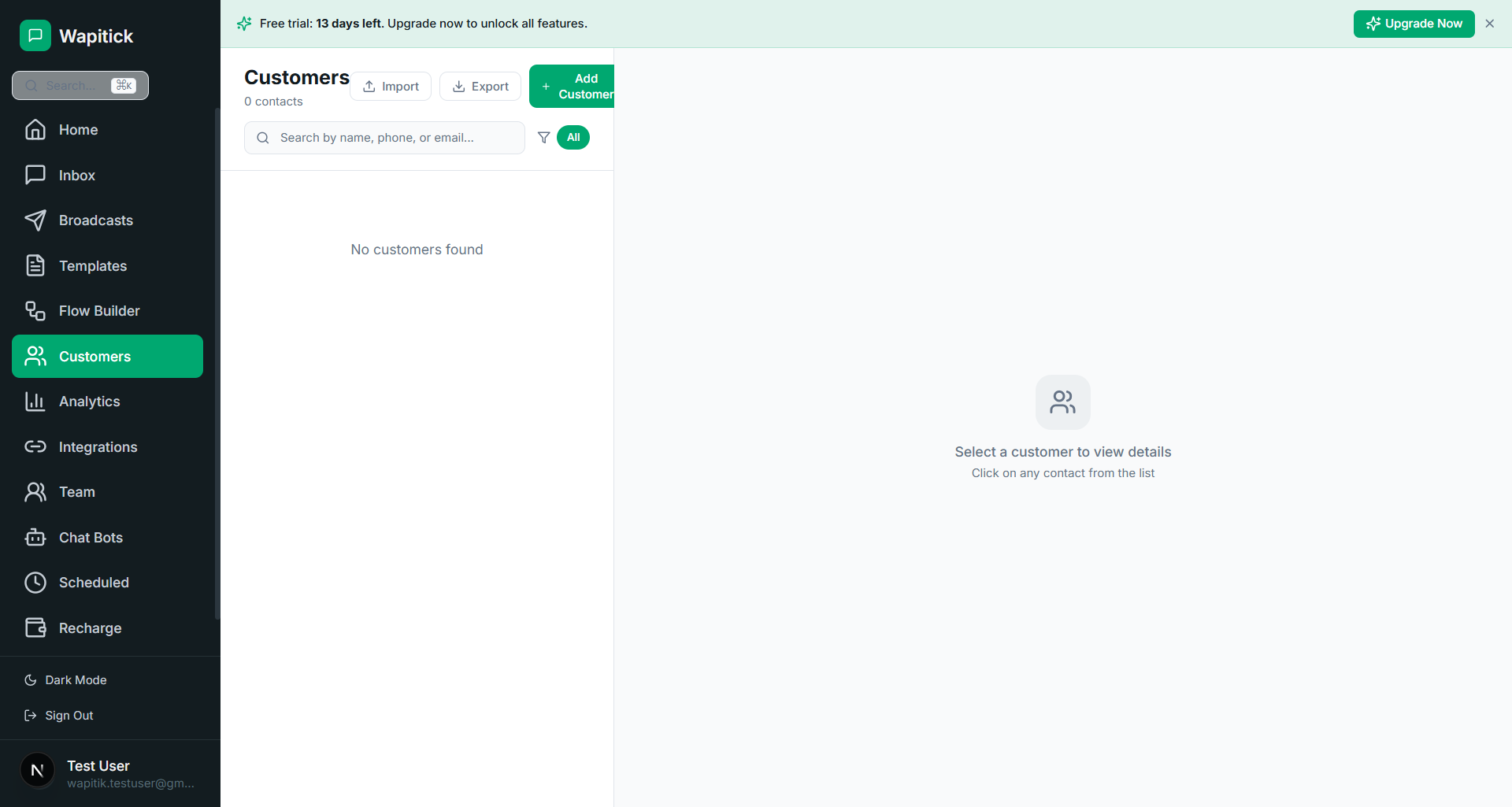
The trust dimension is crucial. Businesses do not adopt WhatsApp tooling in the abstract. They adopt it because they expect it to support customer communication that affects revenue, service quality, and brand perception. If setup feels uncertain, they will hesitate to rely on the platform for important workflows. That is why onboarding should always answer a practical operator question: can I trust this workspace to handle live business messaging? Everything in the setup experience should work toward a confident answer, including phone-number readiness, template sync visibility, webhook status, and clear success indicators.
Migration raises the stakes even further. A business that already has live communication running is not simply exploring a tool. It is considering operational change. That means downtime risk, ownership risk, support-continuity risk, and internal anxiety about whether the new provider will create lock-in. Meta's migration support changes the conversation because it gives businesses a clearer path to move between solution partners without treating the first provider decision as permanent. Platforms that communicate this clearly position themselves as confident partners rather than as defensive gatekeepers.
From an operator perspective, the biggest migration fear is not always technical breakage. It is loss of context. Teams worry about whether message history, contact understanding, workflow continuity, and internal readiness will survive the transition. A marketing site should acknowledge that fear honestly. The strongest positioning is not, "Migration is trivial." The strongest positioning is, "Migration can be planned, staged, and governed so your team does not lose control." That kind of framing is more credible and more useful than overly polished claims about one-click simplicity.
State modeling collaboration and rollout readiness
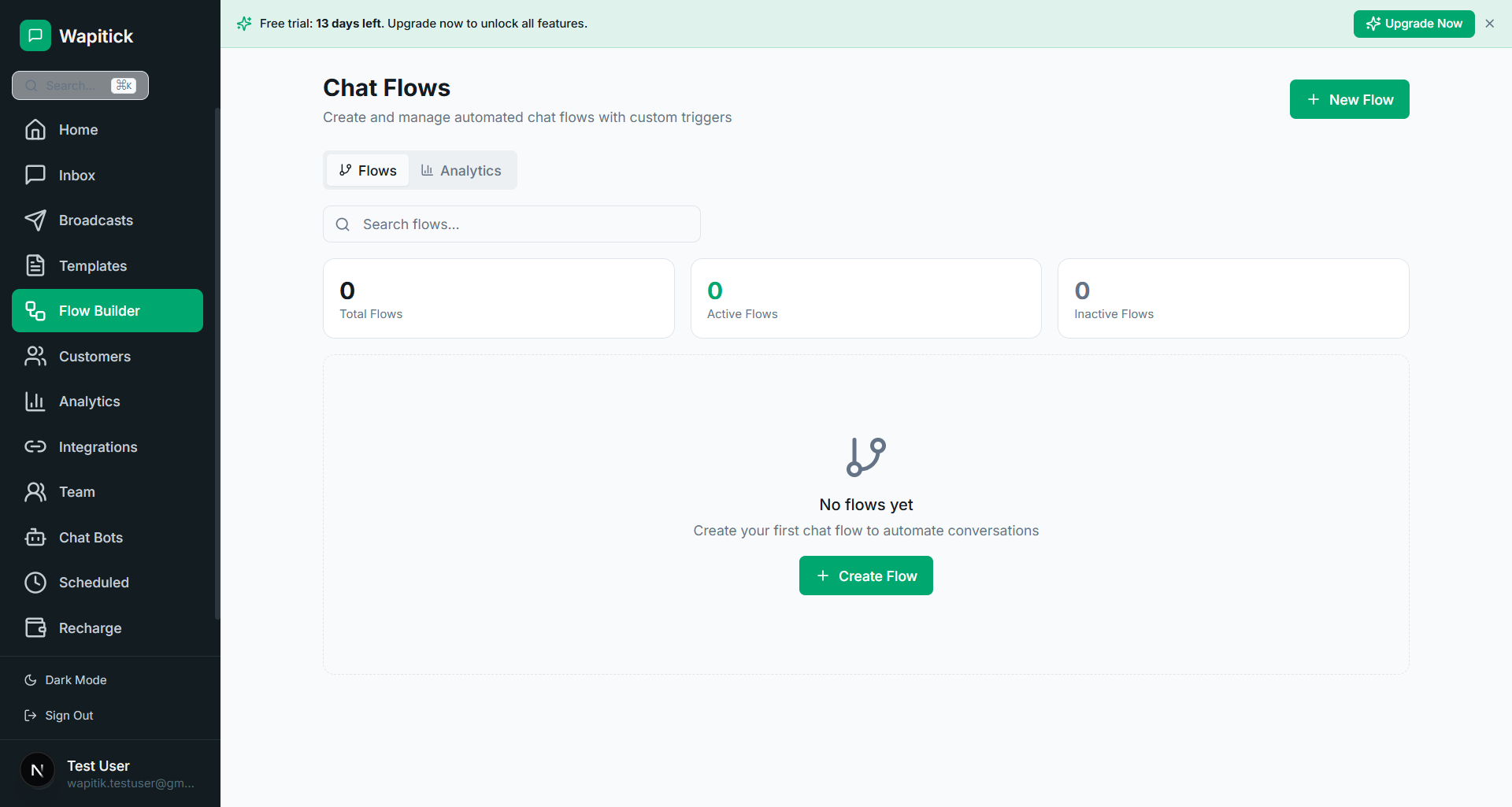
The internal setup model should therefore mirror the external communication model: show the next action clearly. If a webhook is not verified, say so plainly. If a phone number is selected but not fully ready, surface that distinction. If templates are connected but not yet synced, show what is missing. If a retry is possible, preserve previously entered data instead of forcing the user to start again. These details seem operationally small, but they shape whether onboarding feels like a guided system or a maze. Good setup UX is often defined by how well it handles interruption and recovery.
Documentation and product copy should also separate concerns that are easy to blur together. Business verification is not the same as message readiness. Template visibility is not the same as template approval. A connected phone number is not automatically the same as a production-ready support workflow. When teams collapse these stages into one generic "connected" state, users develop false confidence. Later, when something does not work, trust drops sharply. Clear state modeling prevents that confusion and helps both customer-facing teams and internal support teams diagnose issues faster.
Another important factor is role clarity inside the adopting business. Onboarding is rarely owned by one person from beginning to end. A founder, operations manager, marketer, support lead, or implementation consultant may all touch the process. That means the setup interface should not assume perfect continuity of memory. It should be possible for someone new to enter the workspace, understand what has been completed, and identify what remains without requiring a handoff meeting. In this sense, onboarding design is also collaboration design. A system that makes progress legible is easier for teams to complete reliably.
For larger organizations or partners managing multiple workspaces, provisioning limits and staged onboarding capacity also matter. The business value of a platform is not only in whether one account can be connected. It is in whether the setup model scales operationally. Can multiple customer environments be onboarded predictably? Can failures be categorized? Can rollout status be reported to leadership or clients? Can the same guidance be reused across accounts? Businesses that manage many environments are especially sensitive to setup variability because even a small ambiguity becomes expensive when repeated dozens of times.
Measure onboarding like a product surface
Migration planning should include communication strategy, not just technical sequencing. Internal teams need to know when a change is happening, what temporary limitations to expect, where to report issues, and how customer-facing staff should behave if something looks different during the transition window. A mature platform provider can support this by offering not only product mechanics but also implementation framing. Templates, support queues, Flows, and routing logic do not exist in isolation. A change in provider or setup state can touch all of them. Good rollout planning recognizes that these are business operations changes, not just integration events.
For Wapitick, this is a major positioning opportunity. The product is strongest when it presents itself as a control surface for WhatsApp operations, not merely as a messaging layer. That means setup should feel operational too. When a team connects WhatsApp, they should immediately see how that readiness affects templates, Flows, inbox collaboration, broadcasts, and automations. A fragmented setup experience makes the platform feel like disconnected modules. A coherent setup experience makes the platform feel like one business system coming online in an orderly way.
Measurement is valuable here as well. Teams should track where onboarding stalls, how long key stages take, which errors recur most often, how many workspaces reach production readiness, and how often migration-related support is needed. Those signals are invaluable for product improvement because they reveal where confidence is being lost. A platform that measures only feature usage but ignores onboarding friction may never understand why adoption or expansion stalls. Setup analytics are not glamorous, but they often point directly to the highest-leverage UX and operational improvements.
Long-term readiness beats one-click positioning
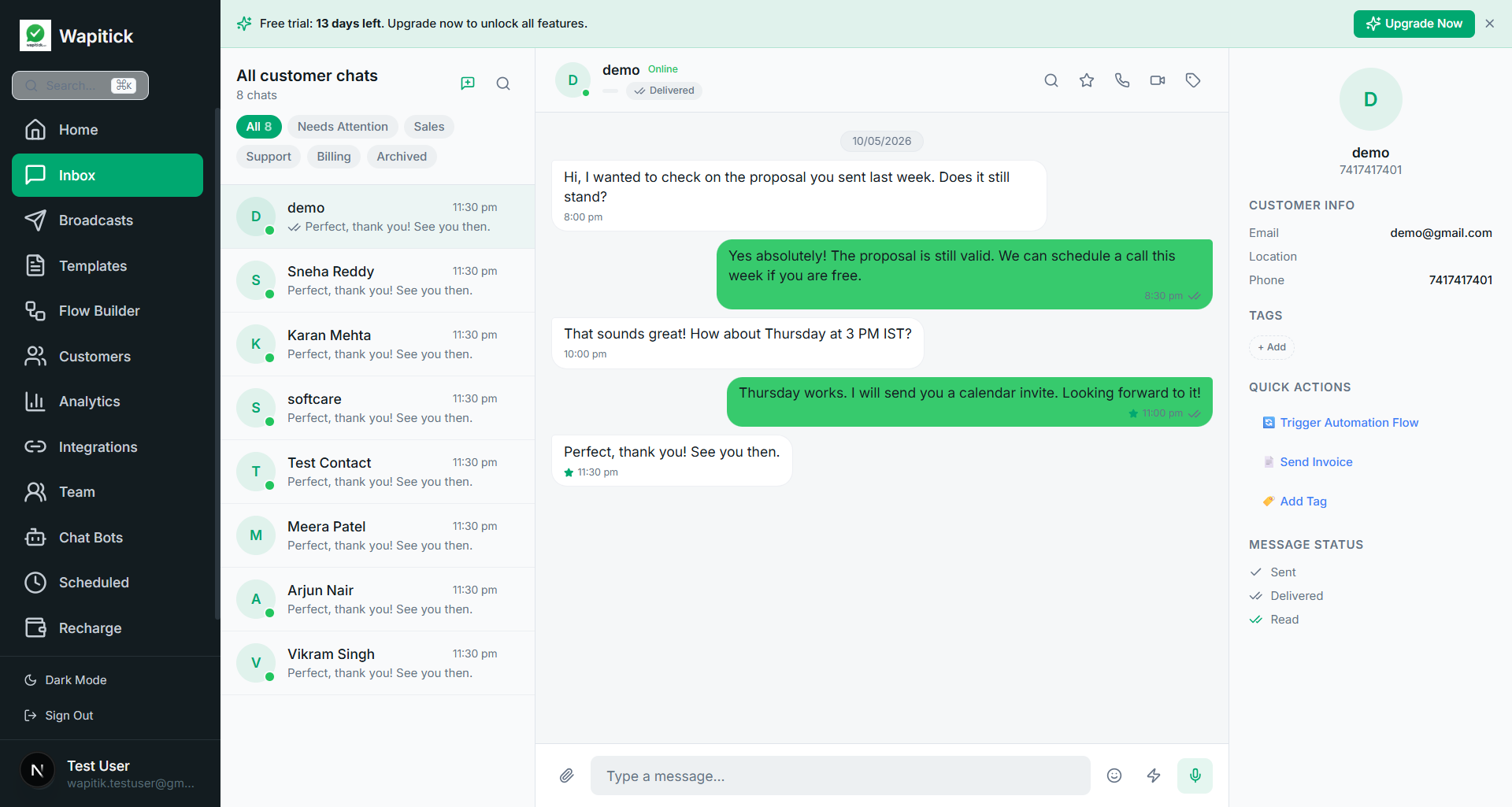
It is also helpful to remember that setup quality influences long-term support load. Every unclear onboarding step creates future confusion. If a user never really understood template sync, they may later mistrust send behavior. If they never understood readiness states, they may raise preventable support tickets. Investing in a precise and recovery-friendly setup journey pays back later in lower confusion, more self-sufficient customers, and faster time to first successful workflow. This is why onboarding should be treated as a product surface with strategic importance rather than as a secondary admin flow.
In 2026, businesses selecting WhatsApp infrastructure increasingly expect both control and reversibility. They want to know that they can launch without chaos and change providers without being trapped. Platforms that communicate and support that reality honestly will earn more trust than platforms that try to hide complexity behind vague promises. The best onboarding story is not that setup is magically effortless. It is that the system makes progress visible, failure recoverable, and migration governable. That is what serious operators are actually looking for.