What matters most in this guide
- A useful WhatsApp CRM setup helps teams act on customer context, not just store message history.
- The biggest value comes from routing, qualification, visibility, and workflow branching based on customer state.
- CRM integrations need governance around field quality, timing, duplicates, and ownership to stay useful.
- Buyers comparing WhatsApp CRM tools should focus on how data appears in the live workflow, not only whether a connector exists.
Why businesses search for WhatsApp CRM software
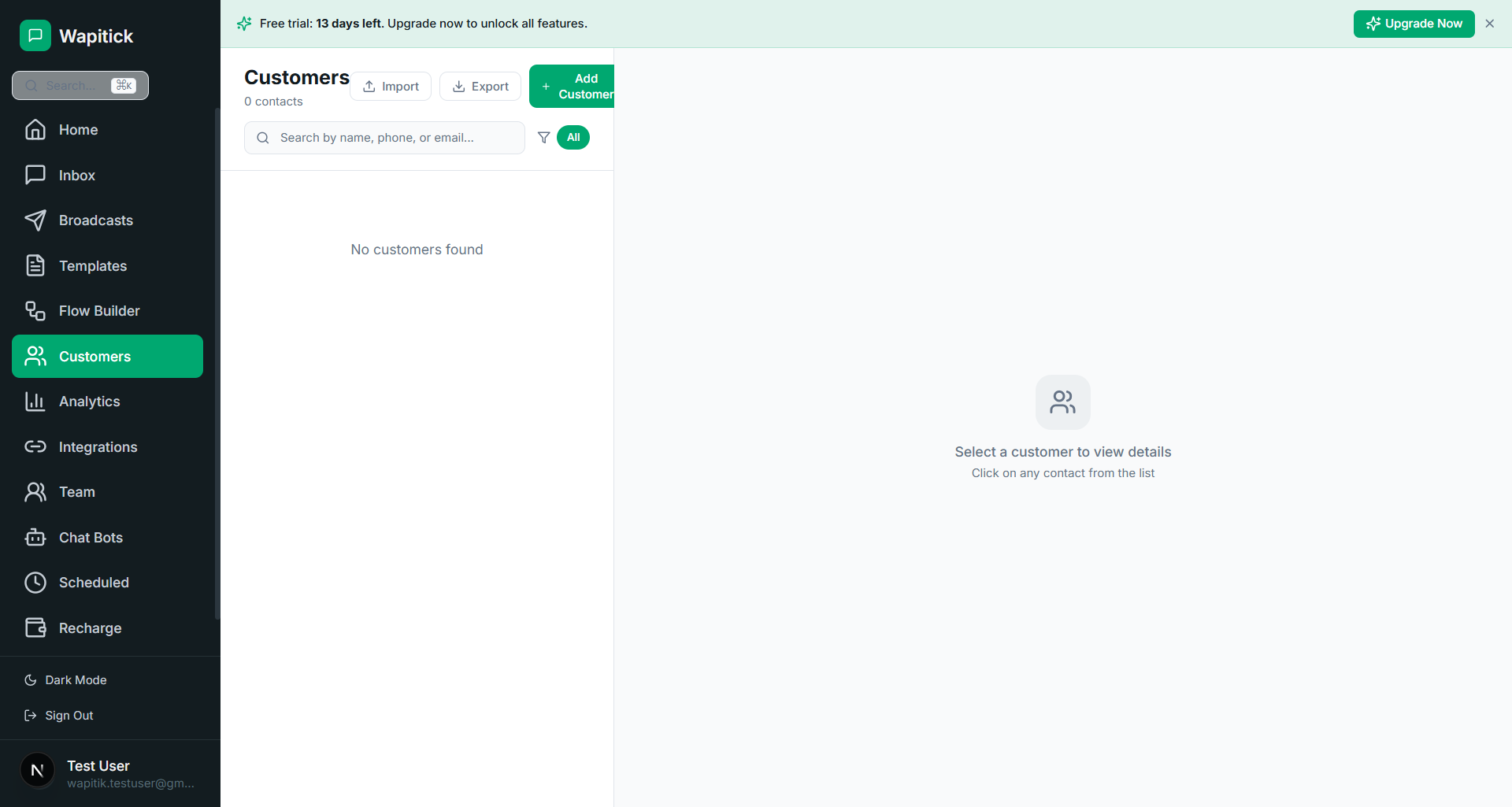
Many businesses searching for a "WhatsApp CRM" are not really looking for a full replacement for every existing system. More often, they are trying to solve a painful disconnect: conversations happen in one place, customer records live in another, and the operational truth gets split between the two. Sales, support, and operations teams then spend time copying details manually, re-reading threads, or guessing whether a customer already shared key context. The real opportunity of a WhatsApp CRM workflow is not just to store messages. It is to make customer conversations structurally useful to the rest of the business.
That starts with a basic truth: not every CRM integration is valuable. Simply pushing raw messages into a contact timeline may satisfy a checklist, but it does not necessarily improve execution. The more useful question is what customer signals need to move between WhatsApp and the rest of the operating stack. Lead qualification data, issue type, booking intent, payment status, lifecycle segment, last reply state, and owner assignment are all more actionable than a passive archive alone. Teams get the most value when WhatsApp and CRM data are connected around business decisions, not just data storage.
Sales workflows are a clear example. If a prospect shares company size, urgency, budget, location, or use case in a Flow or live conversation, that information should inform prioritization and follow-up quickly. Otherwise the team ends up repeating the same discovery work inside another system. A strong WhatsApp CRM setup helps capture those details once, surface them in the inbox, and pass them into the broader revenue workflow where they can influence tasks, stages, and routing. That kind of integration reduces friction for both the customer and the internal team.
How CRM context improves sales and support decisions
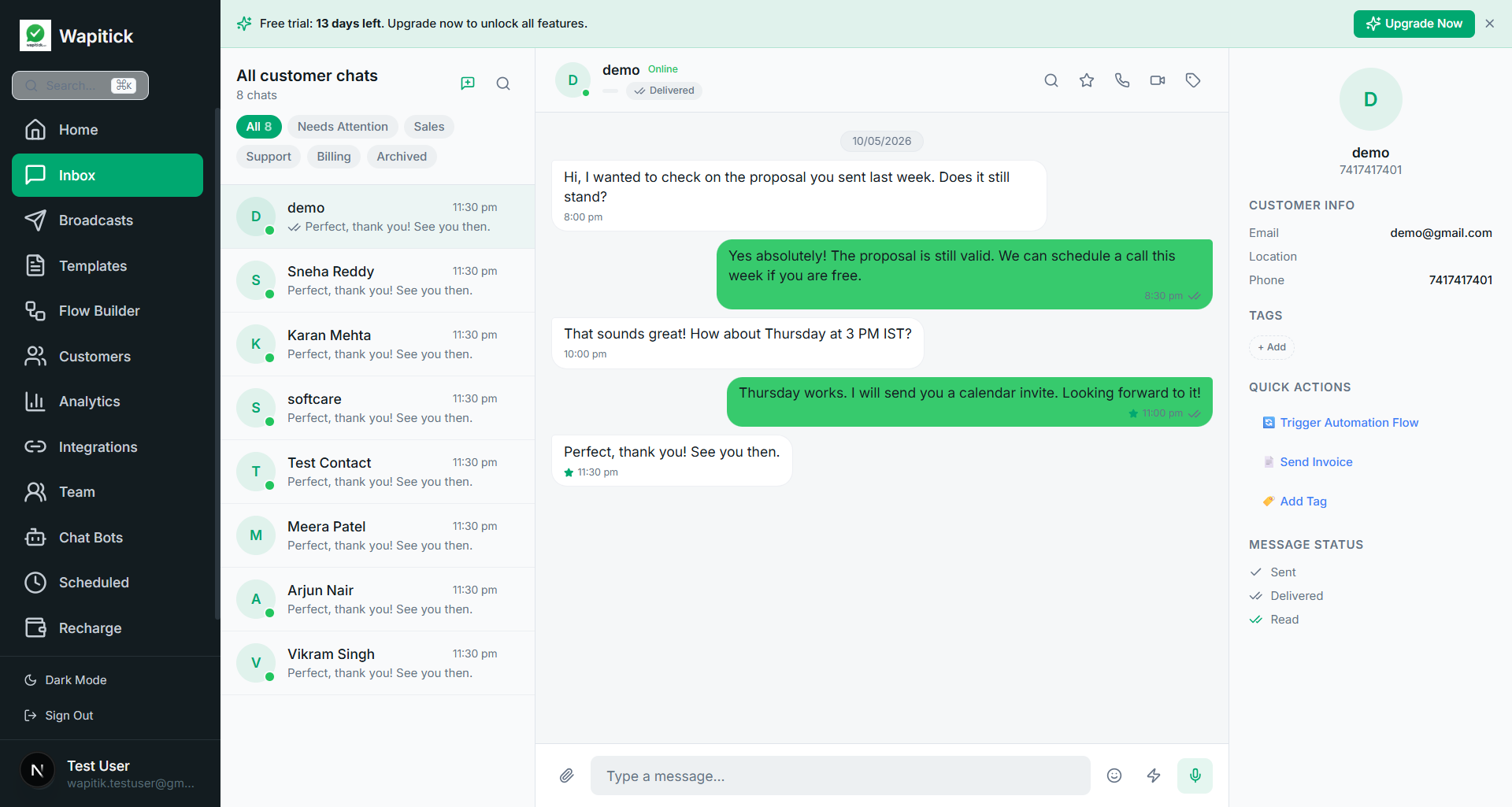
Support teams benefit just as much, even if they do not use the language of CRM first. When a support conversation is tied to orders, account state, SLA context, or previous incidents, agents can respond more accurately and with less repetition. The customer feels known rather than re-interviewed. But that outcome depends on making the relevant context visible at the moment of reply. A disconnected CRM may technically contain the information while still being operationally useless if the agent has to leave the thread, search a second system, and interpret stale or incomplete data manually.
This is why interface proximity matters. The most effective WhatsApp CRM software does not ask operators to mentally stitch systems together. It brings the important customer data close to the active conversation. That can include contact details, labels, segment information, previous purchases, submitted Flow data, payment state, lead source, or assigned owner. Once that context is visible in the same working surface, the team can make faster and safer decisions. The difference is subtle in demos but significant in daily use.
Another major advantage of CRM-connected WhatsApp operations is workflow branching. When customer state is visible and usable, the business can react differently based on who the customer is and what has already happened. A new lead can be routed differently from an active customer. A customer with an overdue invoice can receive a different prompt from someone awaiting delivery. A high-value account can be escalated faster than a low-complexity query. These are not just personalization tricks. They are how teams align conversation handling with business value and customer expectation.
Data governance timing and campaign relevance
Data cleanliness remains a challenge, though. CRM integration can amplify poor habits if no one governs field usage, ownership rules, or duplicate handling. If teams capture inconsistent values, map labels unpredictably, or fail to suppress stale workflows, the integration becomes noisy. That is why businesses should treat WhatsApp CRM setup as an operating design exercise, not only a technical connection. Decide which fields truly matter, who owns updates, when automations should write data, and which events deserve human review before they change customer state.
There is also a timing dimension to CRM usefulness. Some data becomes less valuable if it arrives too late. A lead qualification record pushed hours after the conversation may no longer help the rep who needed to respond immediately. A support status change that lands after the customer has already followed up again can create confusion rather than clarity. The strongest systems move key signals quickly enough to support live operational decisions. That does not mean every event must trigger a complex sync. It means the business should identify which pieces of information are time-sensitive and design around them deliberately.
For marketing and reactivation use cases, CRM-connected WhatsApp data also improves targeting. Teams can exclude converted users from promotional sends, trigger renewal reminders based on subscription status, or segment campaigns by past behavior instead of broad assumptions. This is one of the reasons CRM and broadcast software often become strategically linked. The more accurate the customer state, the more relevant the messaging program becomes. Relevance is good for both performance and trust.
What to compare when evaluating WhatsApp CRM tools
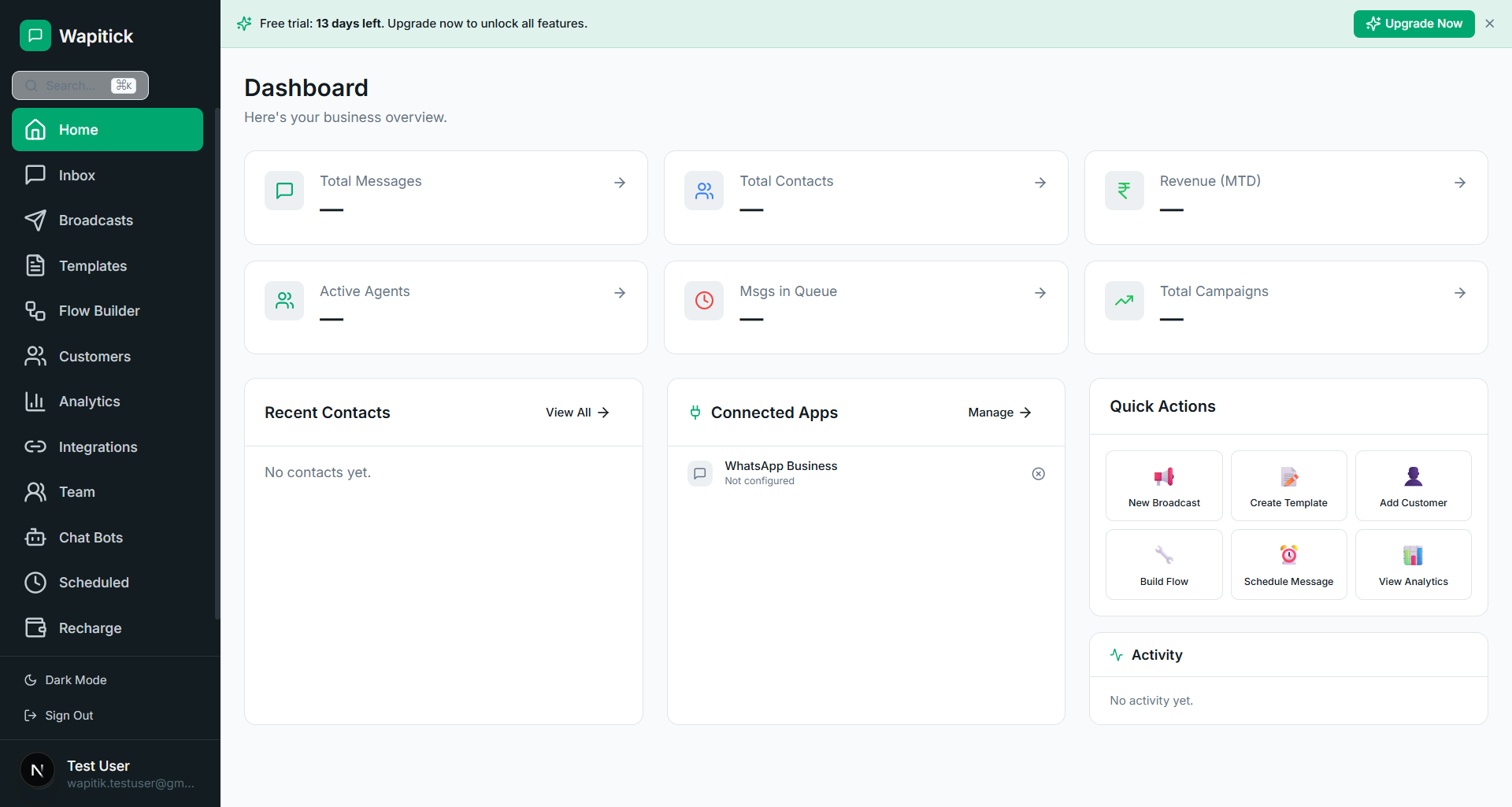
A lot of buyers compare WhatsApp CRM tools by asking whether they integrate with popular systems, and that question is reasonable. But feature parity at the connector level does not tell the whole story. Two platforms may both say they connect to a CRM, while only one of them actually helps the frontline team act on the data without friction. When evaluating vendors, teams should ask how customer fields appear in the inbox, how conversation outcomes update records, how duplicate logic is handled, and what automations can be built from shared data. Those questions reveal the practical value of the integration much more clearly.
Search intent around "WhatsApp CRM" is commercially strong because many searchers are already trying to solve an active workflow problem. They may be frustrated with manual copying, missed follow-up, low-quality lead routing, or poor support context. To rank for that phrase well, content needs to move beyond definition and into operational guidance. It should explain how WhatsApp CRM workflows support sales, support, targeting, automation, and customer visibility. It should also help buyers evaluate whether they need a full CRM, a WhatsApp-first workspace with CRM readiness, or a hybrid stack that connects both.
That distinction is important for Wapitick. The product does not need to claim that it replaces every enterprise CRM function to be valuable. In fact, a more credible positioning is often stronger: Wapitick can act as the WhatsApp operations layer that keeps live conversations, Flows, campaigns, and customer context coordinated while connecting intelligently to the broader systems the business already uses. That narrative is realistic, useful, and aligned with how many teams actually buy software.
Why WhatsApp CRM content can strengthen sitewide topical authority
There is also a strong SEO angle in content clusters here. A site that already covers WhatsApp Flows, broadcasts, onboarding, support windows, and templates can build a compelling internal topic network around CRM readiness. Linking those topics helps search engines and users understand that Wapitick is not narrowly about one messaging feature. It is about how business messaging connects with real operations. That thematic consistency often strengthens the overall site more than publishing disconnected keyword articles would.
Ultimately, the best WhatsApp CRM setup is one that reduces rework and improves decision quality. If a system captures messages but does not improve lead routing, support resolution, campaign relevance, or customer understanding, the integration is underperforming. If it helps teams see the right customer context at the right time and use that context to take better action, it becomes strategically important. That is the level of value both searchers and buyers are actually looking for when they investigate CRM-related WhatsApp software.
For ranking and conversion alike, the public site should explain this clearly: WhatsApp CRM value comes from operational visibility, not just contact syncing. Businesses searching these terms want to know how conversations become structured, how teams collaborate around customer state, and how messaging data feeds revenue or support outcomes. Content that answers those questions directly has a much better chance of attracting the right audience and moving them toward a serious product evaluation.